

-
 By PEERS-Admin
- december 1, 2025
- 0 Comments
- Operational Practice
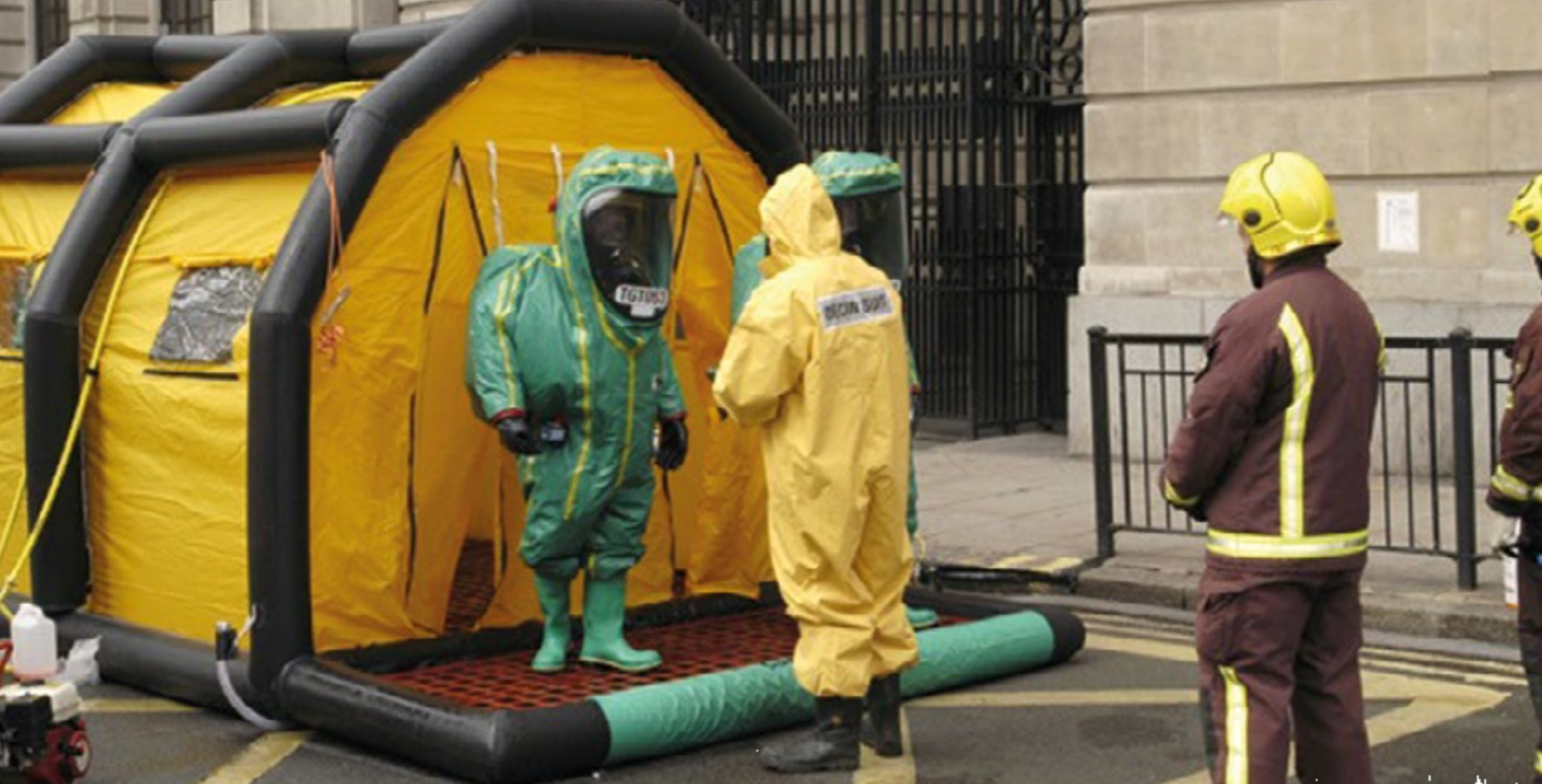
NATO Guidelines for first responders to a CBRN incident,2014
Foreword
The consequences of Chemical, Biological, Radiological and Nuclear (CBRN) emergencies may stretch national capabilities to their maximum extent. First response remains a national responsibility and it is essential therefore that nations build on their resources to respond and mitigate the consequences of emergencies affecting lives, property and the environment. Due to the nature of CBRN incidents, particularly their trans-national effects, co-operation between Euro-Atlantic Partnership Council (EAPC) nations is necessary. The development and adoption of Non-Binding Guidelines and Minimum Standards facilitates and improves national responses and mutual assistance.
The Non-Binding Guidelines and Minimum Standards for CBRN First Responders (NBG/ MS), developed by NATO’s Civil Protection Group, are a “package” of tools aimed at first responders to support planning and implementation of response to CBRN incidents. National legal responsibilities may be divided in substantially different ways; there can be no universal solution for CBRN related civil emergency planning. Likewise, the mandates of first responders involved in emergency response may be formulated in substantially different ways from one nation to another. The NBG/MS helps to establish a common framework for international response to CBRN incidents and to enhance interoperability and cooperation of international response teams.
The Response Guidelines document is one of the three components of the NBG/MS. The other two components consist of the International CBRN Training Curriculum and the Advisory Support Team concept and modalities.
The Response Guideline document was initially issued in 2006 and has been used as a basis to deliver pre-exercise training at several EADRCC field exercises and International Courses for trainers of first responders to CBRN incidents, in concert with the International CBRN Training Curriculum. Having reviewed the document it is clear that the content and structure have stood the test of time and are very much “fit for purpose”. I hope nations will continue to find the Response Guideline document a useful tool to support national and international CBRN emergency preparedness and response.
Ragnar BOE (Chairman of NATO’s Civil Protection Group)


 Magyar
  English